On the Commemoration of World Menstrual Hygiene Day 2026
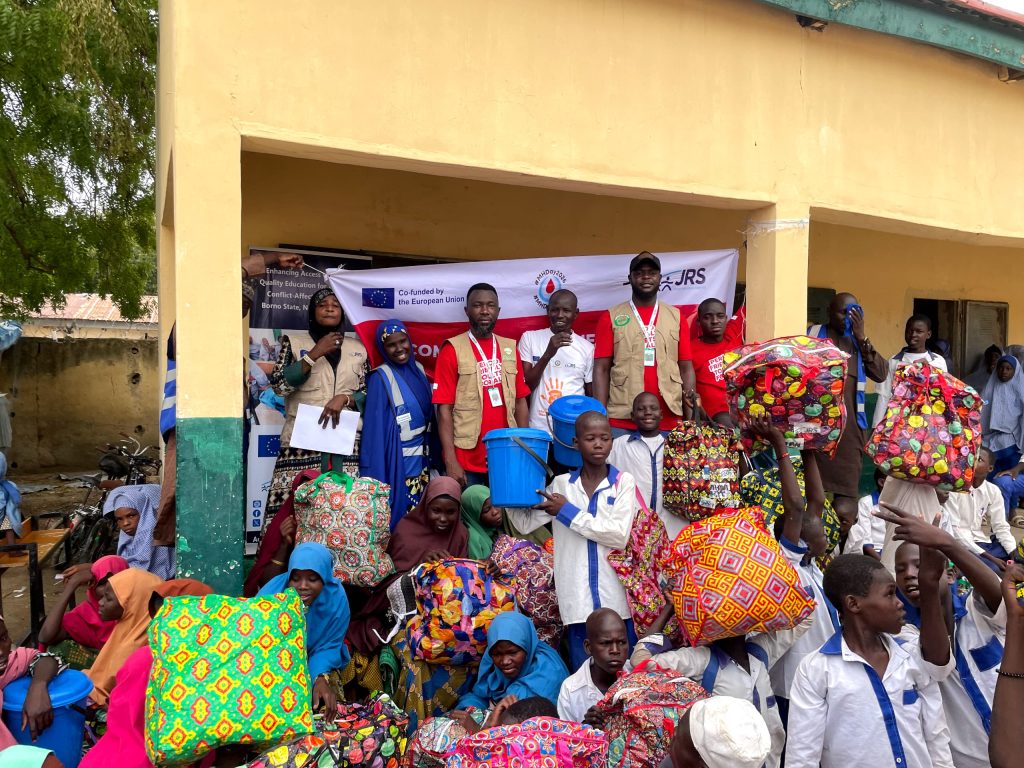
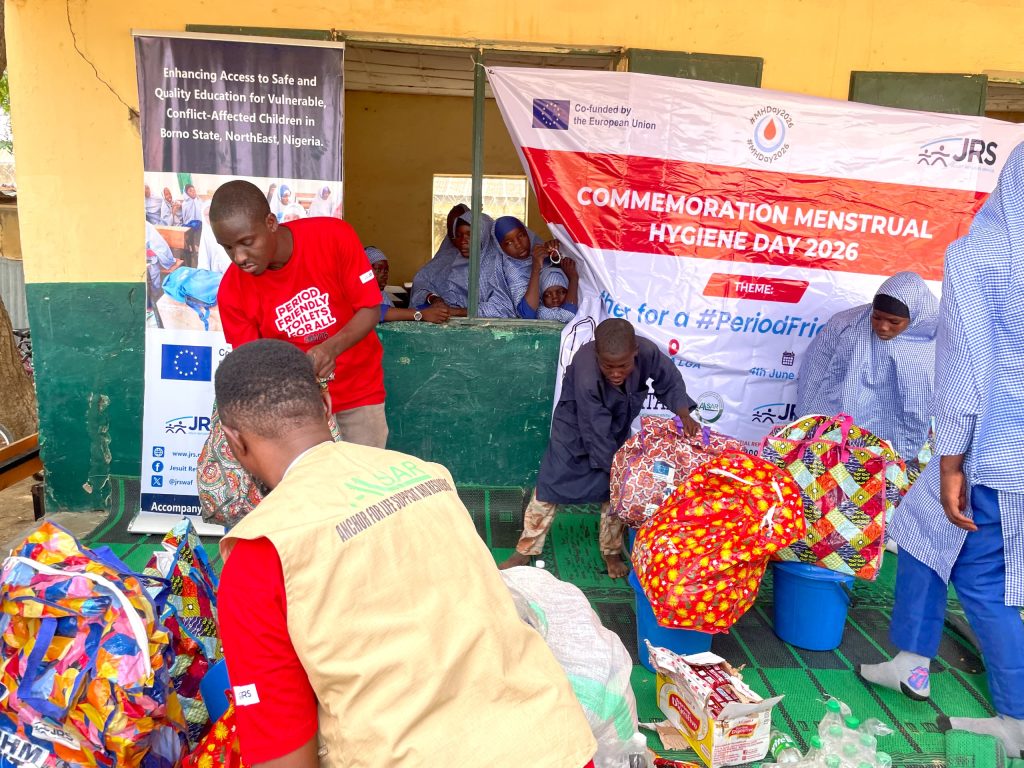
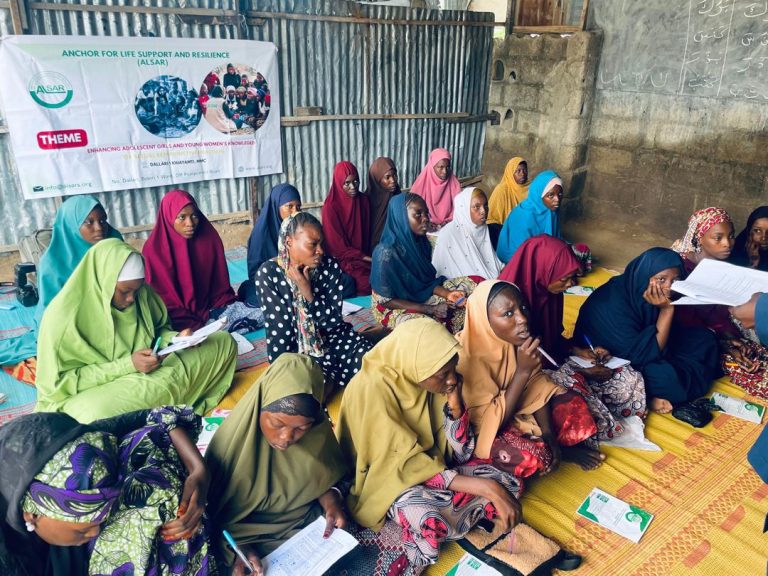
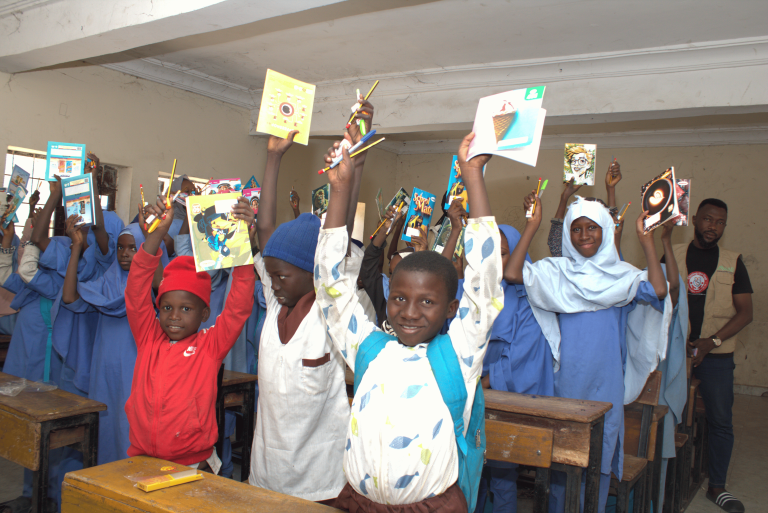
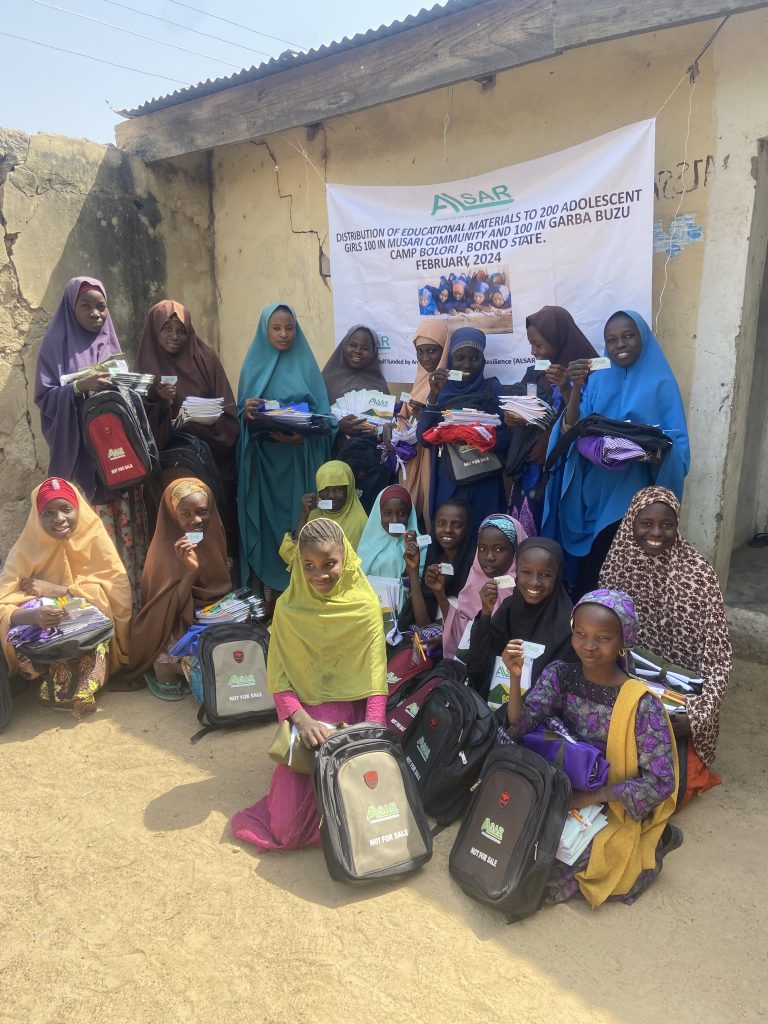
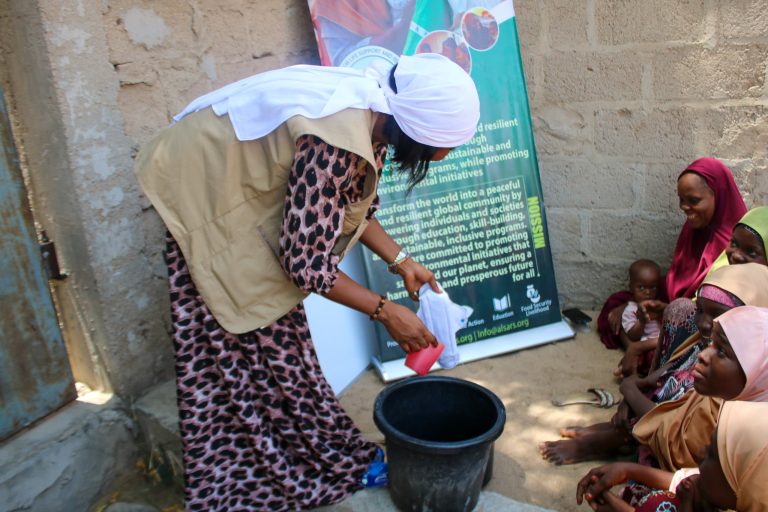
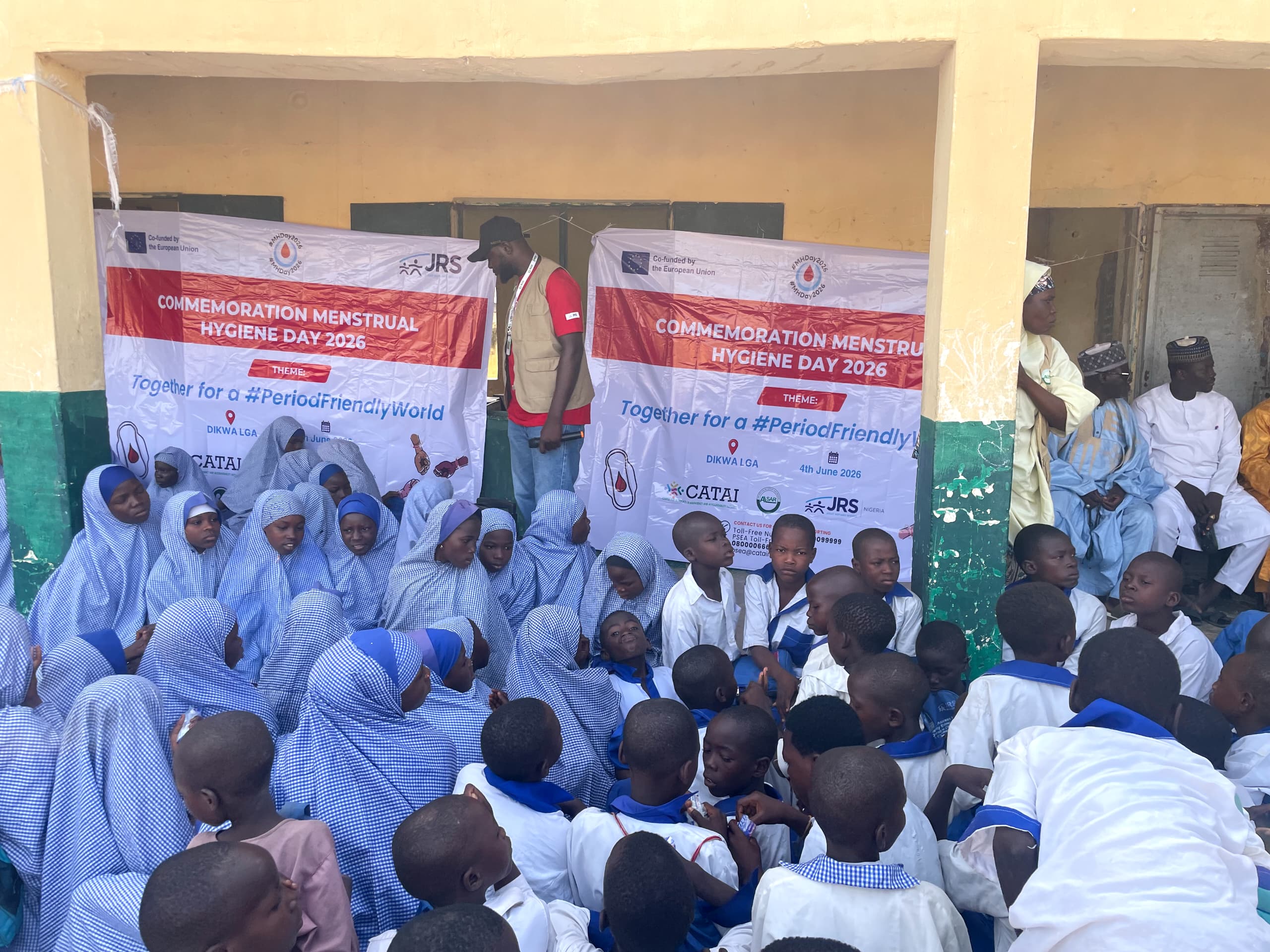
Anchor for Life Support and Resilience (ALSAR), in partnership with Jesuit Refugee Service (JRS) and the Centre for Advocacy, Transparency and Accountability Initiative (CATAI), conducted a series of menstrual health and hygiene awareness activities in Dikwa LGA, Borno State. The activities included sensitization sessions at Government Junior Secondary School and Shehu Sanda Secondary School, as well as a community radio session aimed at combating stigmatization and broadening public awareness on menstrual health. A total of 3,210 individuals were reached across the school-based-activities, comprising 1,739 girls, 1,400 boys, 48 women, and 23 men. The activities responded to the persistent challenges faced by adolescent girls in humanitarian settings, including limited access to menstrual health information, inadequate hygiene facilities, stigma and harmful cultural misconceptions. By engaging both male and female students alongside the wider community, the initiative promoted inclusive dialogue on menstruation as a normal biological process and a critical public health and dignity issue.
The school-based commemoration provided a platform for students to learn about menstrual hygiene management, challenge myths and misconceptions, and strengthen support systems within their schools. Through interactive discussions and sensitization sessions, participants were encouraged to foster respect, empathy, and positive attitudes toward menstruation, contributing to a more supportive and girl-friendly learning environment.
The community radio session extended the reach of the commemoration beyond school walls, engaging a broader audience including parents, community leaders, and out-of-school adolescents. The broadcast addressed common myths and cultural taboos surrounding menstruation, promoted open community dialogue on menstrual dignity, and reinforced key messages on hygiene management and the importance of male allyship in supporting girls and women. The session served as a platform for community-level norm change, countering stigmatizing attitudes and encouraging a collective responsibility toward menstrual health.
Key Achievements
- Increased awareness and knowledge of menstrual health and hygiene among 3,210 reached individuals, including 1,739 girls, 1,400 boys, 48 women, and 23 men.
- Promoted positive attitudes and reduced stigma associated with menstruation within the school environment.
- Strengthened the participation of 1,400 boys as allies in supporting menstrual dignity and breaking harmful stereotypes.
- Created safe spaces for open discussions on menstruation, enabling students to ask questions and address misconceptions.
- Extended awareness to the wider community through a radio broadcast that addressed stigma, cultural taboos, and collective responsibility for menstrual health and dignity.
- Enhanced community and school-level commitment to supporting girls’ health, dignity and educational participation.
The activities reaffirmed ALSAR’s commitment to advancing the health, protection, education, and dignity of adolescent girls in humanitarian contexts.